A vibration may show up only at highway speed, while another feels strongest when you brake. Both can send a driver toward a tire shop asking for an alignment. The trouble is that alignment and balancing solve different problems, and neither fixes every shake.
At Orem's Garage, we ask when the vibration occurs, where you feel it, and whether it started after a pothole, tire change, or brake work. A road test and inspection help decide what to measure first.
What Balancing Corrects
Balancing addresses uneven weight around a tire and wheel assembly. A wheel that is out of balance can shake at particular road speeds, often more noticeable on the highway. A front wheel issue may cause the steering wheel to shake; a rear wheel problem can feel more like a seat or floor vibration.
We inspect the tire and wheel before placing weights. A bent rim, uneven tread, separated tire, or debris packed inside a wheel may need repair or replacement, not just more weight. Road-force measurement, when appropriate and available, can help evaluate a tire that still vibrates after a standard balance.
What Alignment Corrects
Alignment adjusts wheel angles to the vehicle's specifications. It is most often considered for a car that pulls, has an off-center steering wheel, or wears tires unevenly. Incorrect angles can cause tire wear that eventually makes a vehicle vibrate, but an alignment adjustment is not usually the direct fix for a speed-specific shake.
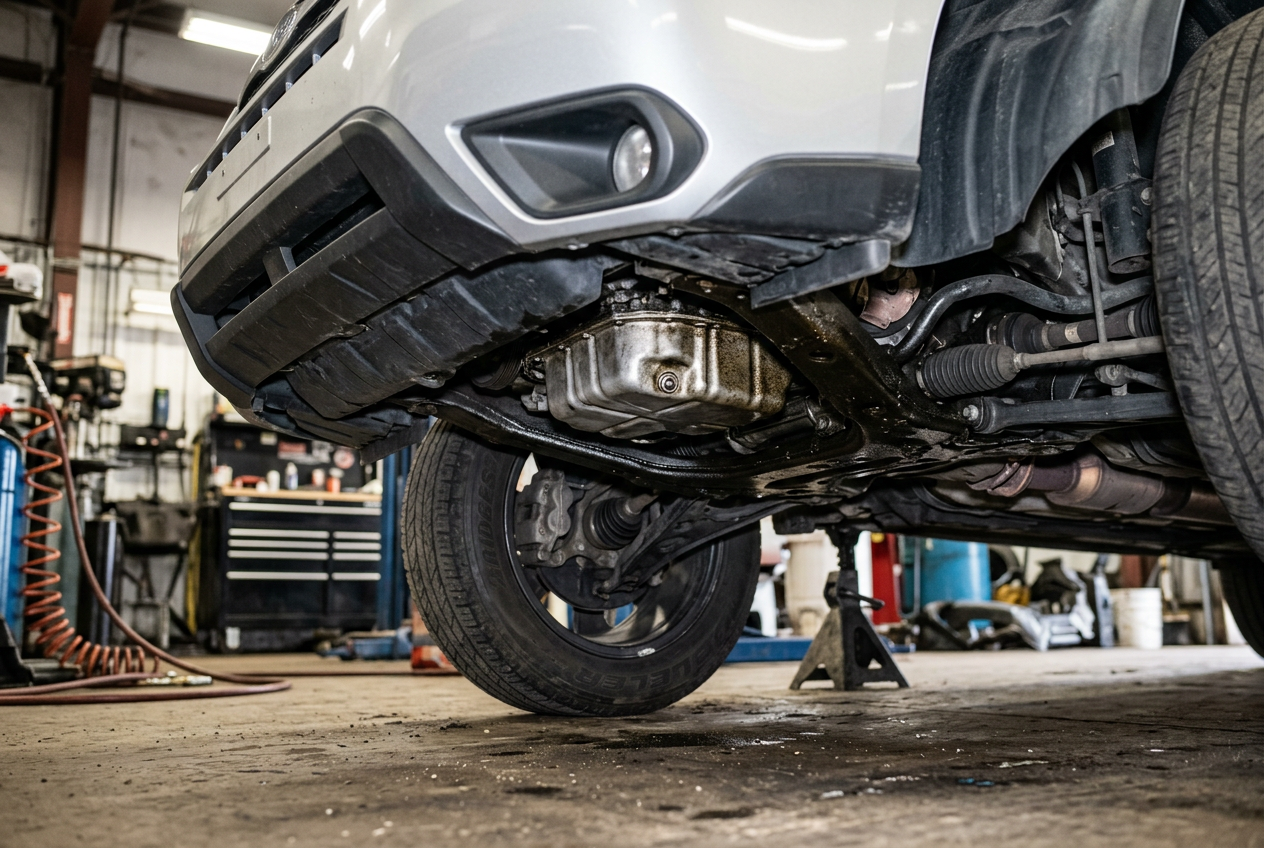
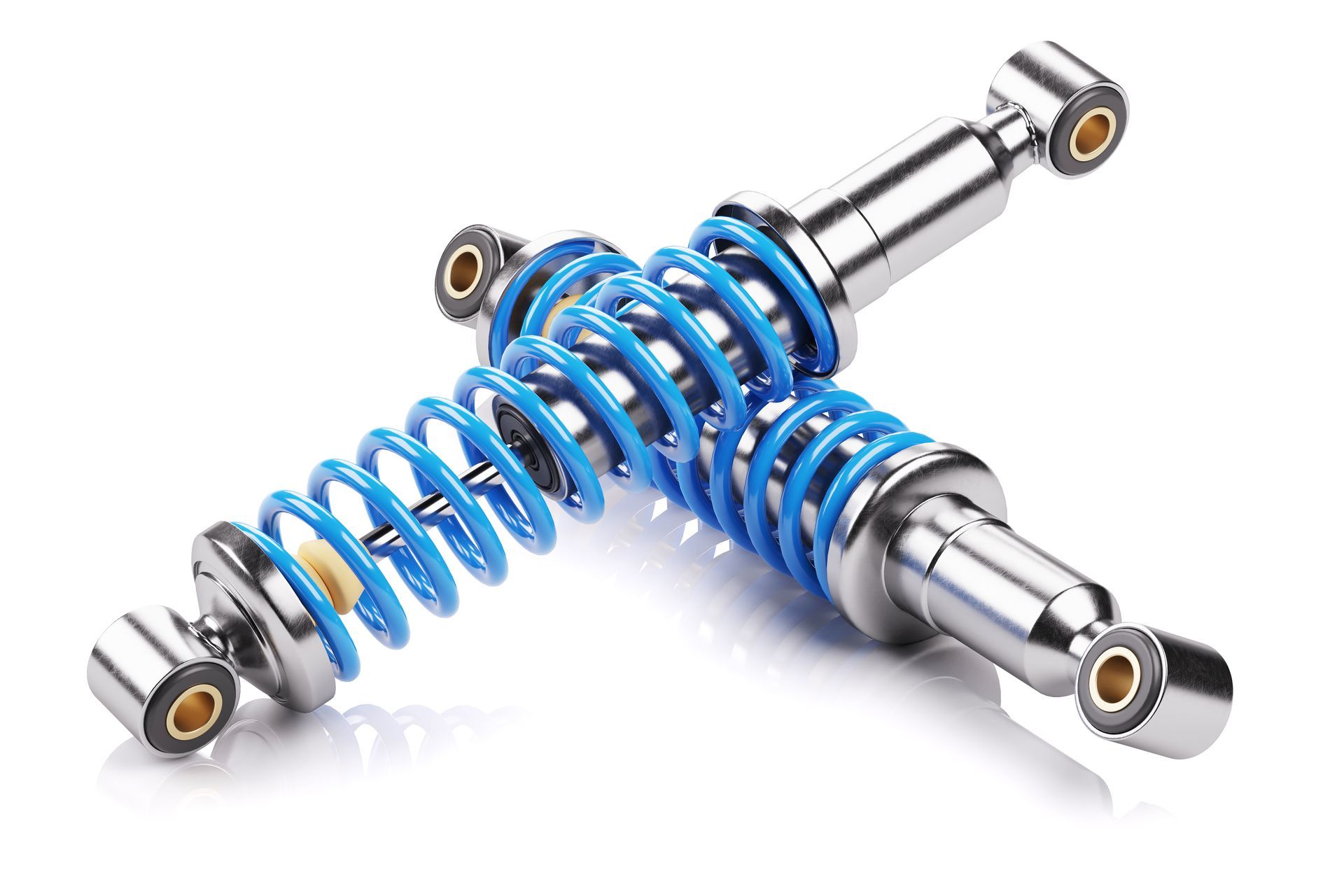
We check tire condition and suspension parts before an alignment. If a tie rod, ball joint, or bushing has play, setting angles first will not hold the result. Pothole impacts around Baltimore can damage a wheel or suspension component at the same time, so we do not assume a single service fixes everything.
Braking Changes the Question
If the vibration occurs chiefly while pressing the brake pedal, we inspect pads, rotors, calipers, and related components. Rotor thickness variation or uneven friction transfer can make a pedal pulse. A loose suspension part can amplify it. A balance machine cannot reproduce what happens under braking.
We note whether the shake occurs during a gentle stop, a harder stop, or even while coasting without the brakes. That distinction helps us avoid replacing a rotor for a tire problem or balancing a wheel for a brake complaint.
Speed, Surface, and Load Are Useful Clues
A shake that begins around a narrow speed range suggests a rotating assembly. A vibration during acceleration may involve a tire, axle, mount, or driveline. A thump at low speed can point to a damaged tire or a wheel that is out of round. Rough pavement can make an existing issue easier to feel.
Tell us whether the steering wheel, seat, or pedal moves and whether passengers feel it too. Those observations guide a road test, but they don't prove the part has failed. We confirm with visual checks and measurements.
Tire Wear Can Link the Two Services
Poor alignment can wear a tire into a shape that produces noise or vibration. Correcting the angles may stop new abnormal wear, but it will not restore tread that has already worn unevenly. A worn tire may still need replacement or further tire work after alignment.
During regular maintenance, rotation and tread measurements can reveal a pattern early. If a balance issue or damaged tire is creating vibration, continued driving may accelerate wear. Prompt inspection usually gives us more options.
How We Choose the Next Step
We inspect inflation, tread, wheels, visible suspension, and brakes, then reproduce the complaint if safe.
Balancing is appropriate when the assembly needs weight correction. Alignment is appropriate when angles or wear patterns warrant it, after repairing loose parts. Some cars need both services; others need neither.
An estimate should explain the finding behind each service. A vibration is a symptom, not an automatic order for four new tires or an alignment.
Get Vibration Inspection in Baltimore, Maryland, With Orem's Garage
If your car shakes at speed or while braking, visit
Orem's Garage in Baltimore, Maryland. We can inspect the tires, wheels, suspension, and brakes to identify the cause, then recommend balancing, alignment, or repairs as needed.
Contact us to schedule an evaluation.