What does the repair actually involve?
There are two paths, depending on when the problem is caught.
Preventive CP3 conversion: Before failure occurs, the CP4.2 pump is replaced with a CP3-style pump, which is the design used in earlier Duramax engines and is widely regarded as more durable with U.S. diesel fuel. A disaster-prevention kit, which typically includes a fuel filter upgrade and debris-catching components, is installed at the same time. This is the preferred path for trucks still running well but showing early signs.
Post-failure full fuel-system replacement: If the pump has already shed metal debris, the repair scope expands significantly. Injectors, fuel rails, lines, and the tank must all be inspected and often replaced. This is the repair that generates the large estimates owners hear about. Catching the problem before this stage is the goal.
Tech tip: When a CP4 failure is confirmed, the fuel tank must be dropped and inspected for metal contamination before any new components go in. Installing new injectors without inspecting the tank first is a shortcut that leads to repeat failures within months. The full flush matters.
How much does this repair cost?
Cost depends heavily on how far the debris traveled before the truck was shut down. A preventive CP3 conversion with a disaster-prevention kit costs far less than a post-failure job that requires new injectors, fuel rails, and tank cleaning. What moves the price:
- Whether the failure is caught early (pump only) or late (pump plus injectors plus tank)
- The specific injector condition after debris inspection
- Whether the fuel tank requires cleaning or replacement
- Parts brand and warranty coverage chosen
There is no honest single number without seeing the truck and knowing how far the contamination reached. The right first step is a fuel-system diagnosis, not a guess.
Does Baltimore's climate make this worse?
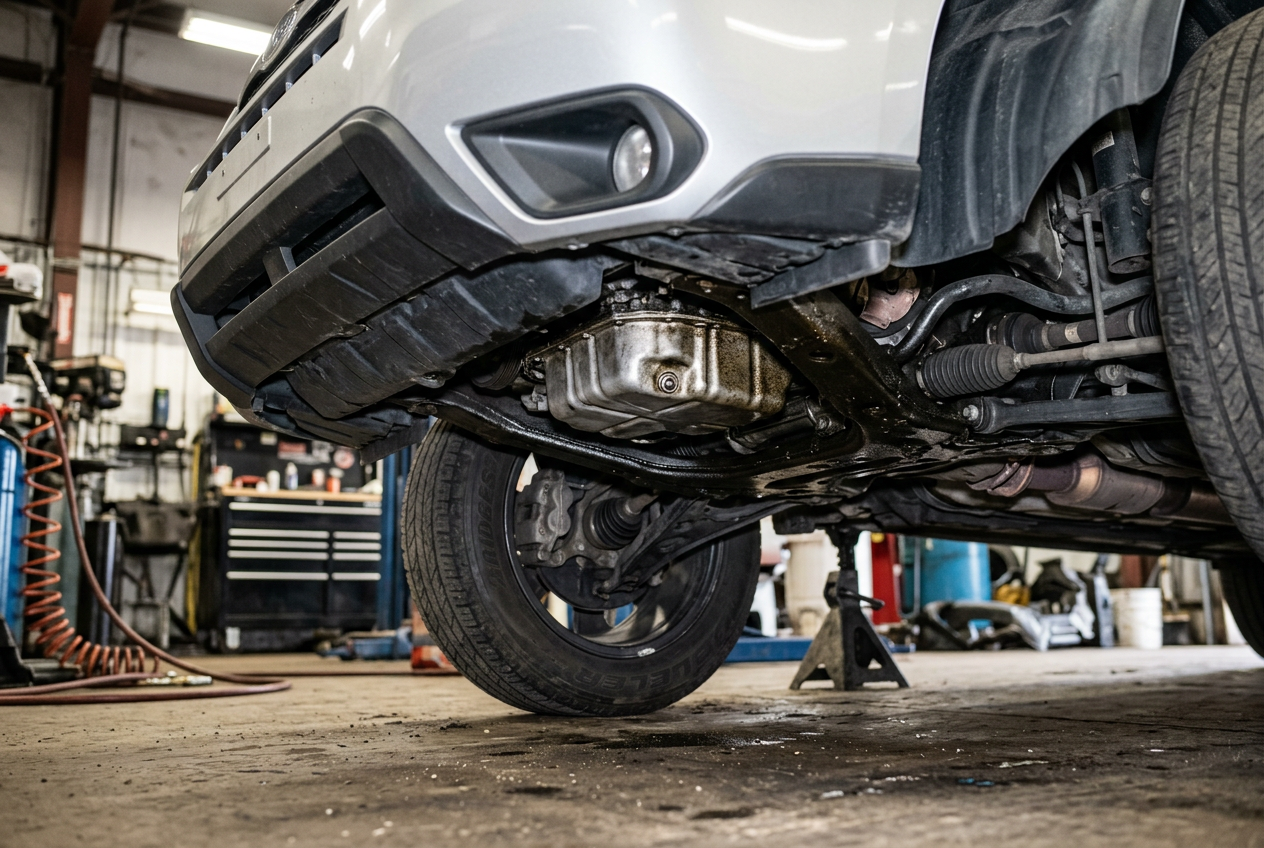
You already know how the freeze-thaw cycle and road salt work on Baltimore vehicles every winter. That salt accelerates corrosion on fuel lines and fittings in ways that can complicate an already involved repair. Salt does not wash off just because it warmed up for a day, and corroded fittings on a high-pressure diesel fuel system add labor time and parts cost to any fuel-system job. If your LML truck has spent winters on Baltimore roads, a full undercarriage inspection alongside the fuel-system work is worth asking about.
Is there a recall on the LML CP4 pump?
The recall status for this issue has not been confirmed. Check your VIN directly at
NHTSA's recall lookup tool to see if any open recall is listed for your specific truck. You can also contact GM through the
GM owner site with your VIN for the most current information on any coverage that may apply.
For related diesel service information, see our
diesel repair and service page. If your truck has also been showing suspension or alignment symptoms after Baltimore's pothole season, our post on
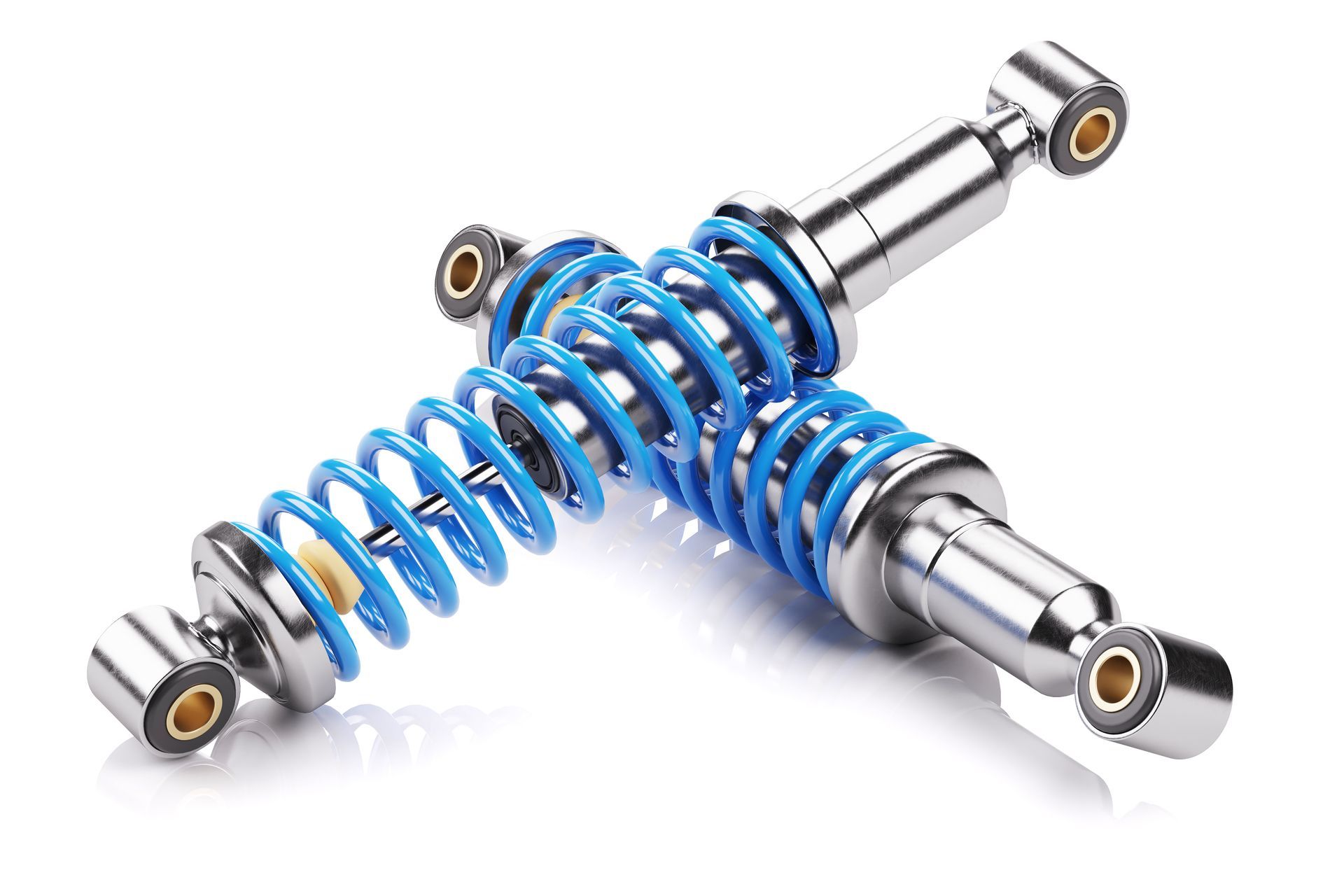
signs your shocks or struts are no longer working right covers what to look for. Diesel trucks that sit and idle while the fuel system is being diagnosed can also benefit from a
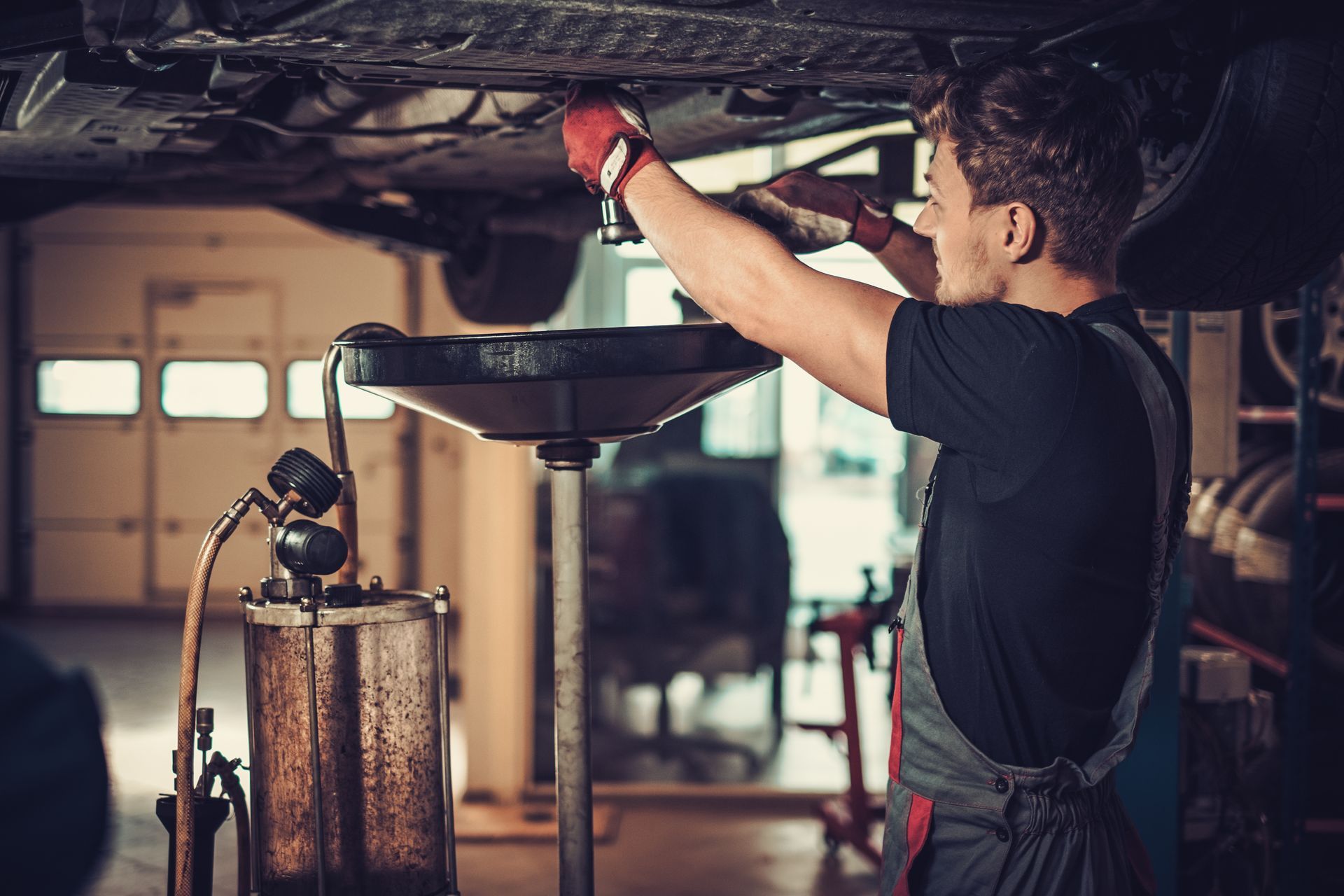
fresh oil service at the same visit.
Frequently Asked Questions
Can I still drive my 2011-2016 Duramax LML if I suspect the CP4 is failing?
No. Once the pump starts shedding metal, debris travels through the entire fuel system within minutes of continued operation. Driving further turns a pump replacement into a full fuel-system job, and a stall at highway speed is a real safety risk.
What is the difference between a CP3 conversion and a full fuel-system replacement?
A CP3 conversion swaps the failure-prone CP4.2 pump for the more durable CP3 design and adds a disaster-prevention kit to protect downstream components. A full replacement is required when metal debris has already contaminated the injectors, lines, and tank.
Does a CP3 conversion affect my truck's warranty or emissions compliance?
That depends on your truck's age and any remaining powertrain coverage. Ask the shop to confirm compliance with your specific VIN before authorizing the conversion.
How much does CP4 pump repair cost on a Duramax LML?
Cost varies widely depending on how far debris traveled. A preventive CP3 conversion costs far less than a full fuel-system replacement after a catastrophic failure. Get a diagnosis first so you know exactly what is affected.
Does Orems Garage work on diesel trucks like the GM 2500 and 3500?
Yes. Diesel repair and service is one of the specialties at Orems Garage on Pulaski Highway in Baltimore. Call 410-682-5220 or
schedule online to bring your truck in.
Bring your Duramax LML to Orems Garage
Quintin Hankla, owner, and the ASE Certified Orems Garage team will diagnose the fuel system, tell you exactly what is affected, and walk you through your options before any work begins. We offer a 7-year/77,000-mile warranty on qualifying repairs, a loaner car, shuttle service, and after-hours drop-off so the repair fits your schedule.
Call 410-682-5220 |
Schedule an appointment online
Orems Garage • 8127 Pulaski Hwy, Baltimore, MD • Monday-Friday 7:30am-5:00pm
Sources